Listen to the audio version of this article (generated by AI).
- Cambodia is rolling out its first large-scale wind power projects in Mondulkiri province, part of a broader push to expand renewable energy and meet rising electricity demand.
- Indigenous Bunong communities say land clearing and project activity began with limited consultation, raising concerns over access to ancestral land, livelihoods and cultural sites.
- Developers linked to the projects have been involved in past energy infrastructure projects associated with displacement, underscoring fears among some residents.
- A lack of collective land titles and limited public disclosure of the projects’ footprint have also left many uncertain about the scale and consequences of the developments.
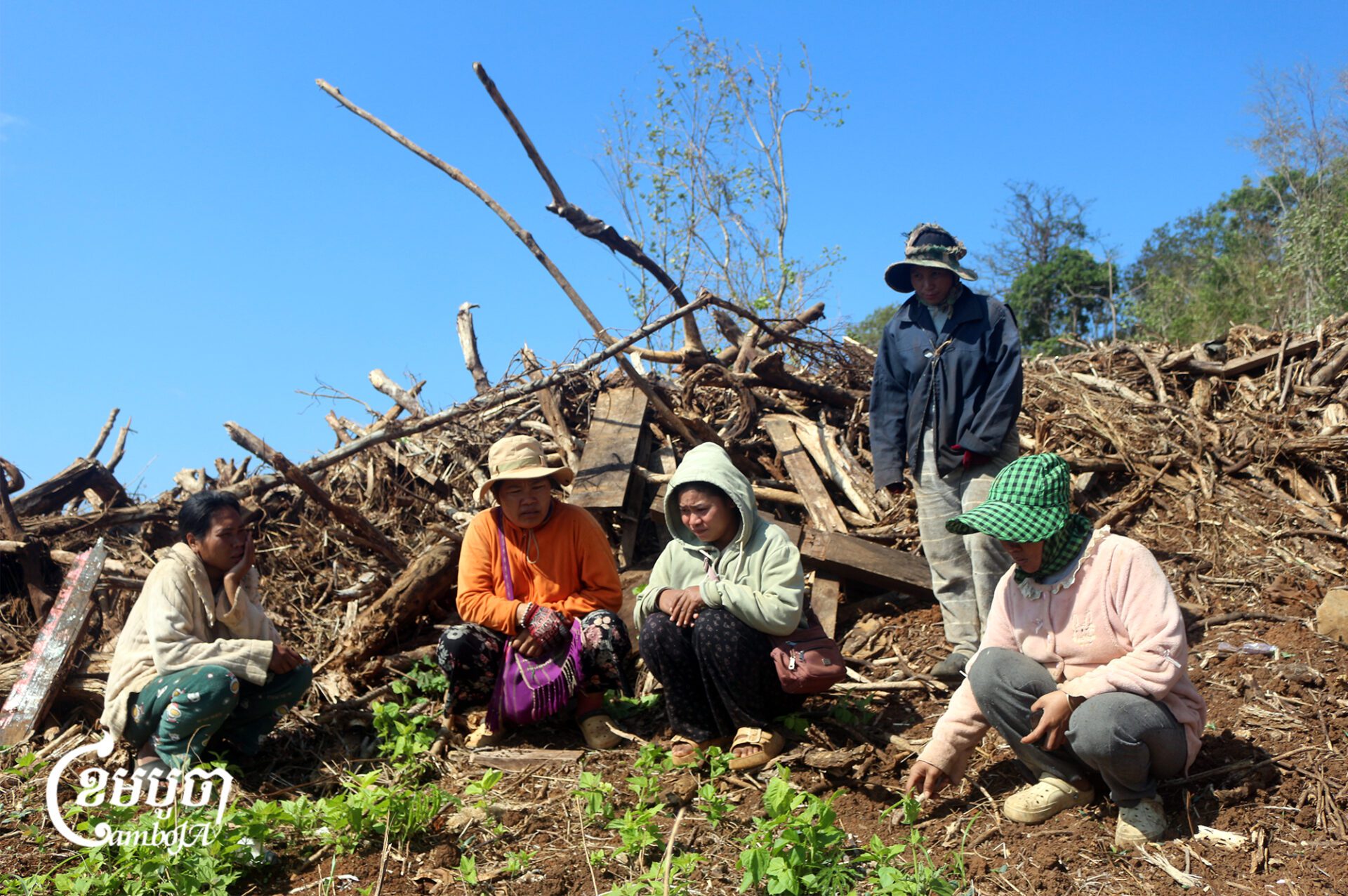
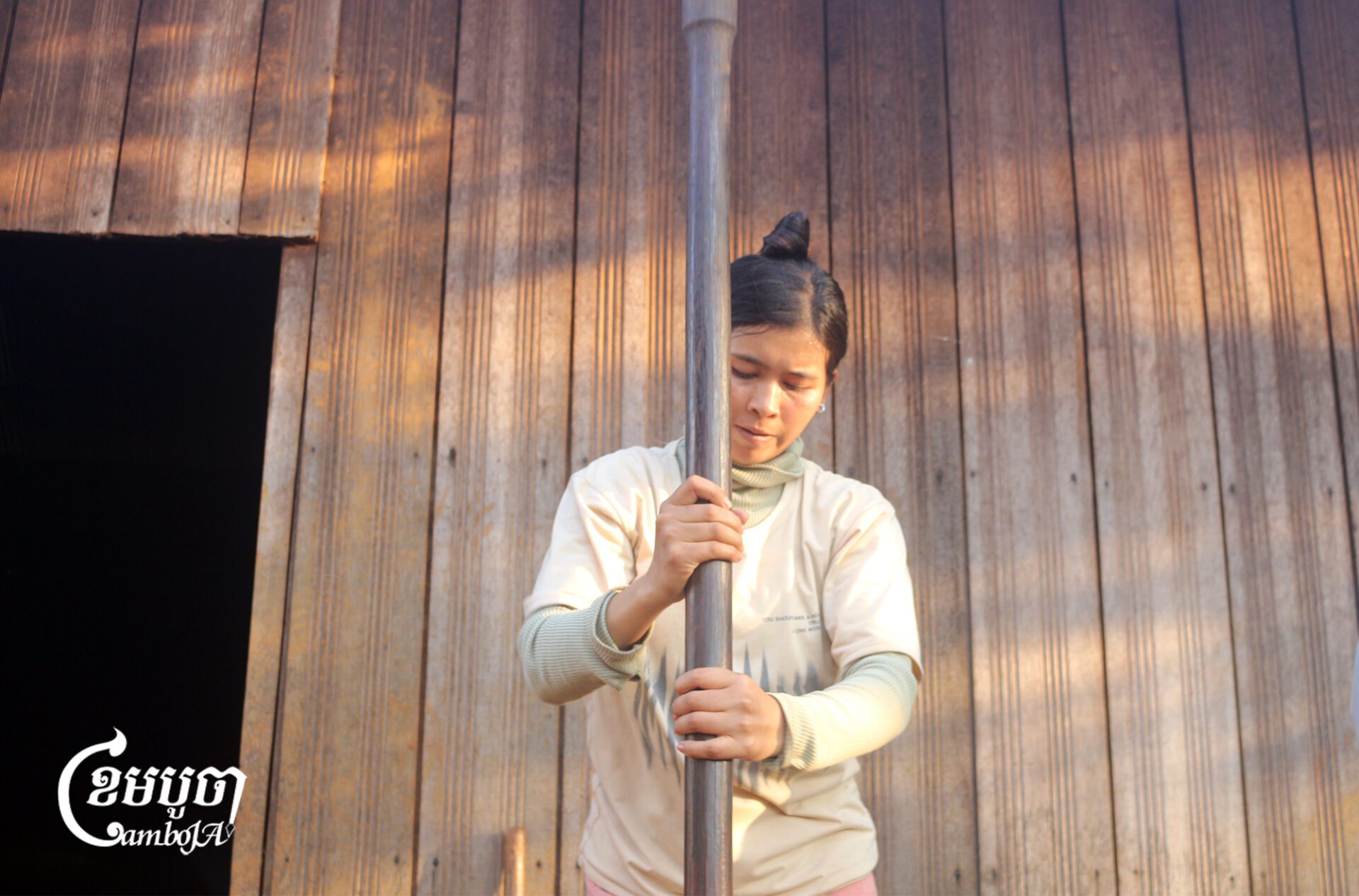
Mondulkiri – In the forested hills of Mondulkiri, home to Cambodia’s largest Indigenous population, Ploek Phyrom sits among felled trees and the remains of a village shrine cleared in January to make way for a wind power project.
Phyrom, an Indigenous Bunong resident of Laoka village, said excavators destroyed the shrine before villagers received a notice or compensation. She and others say they were later paid more than $3,500 by an unnamed company through provincial authorities.
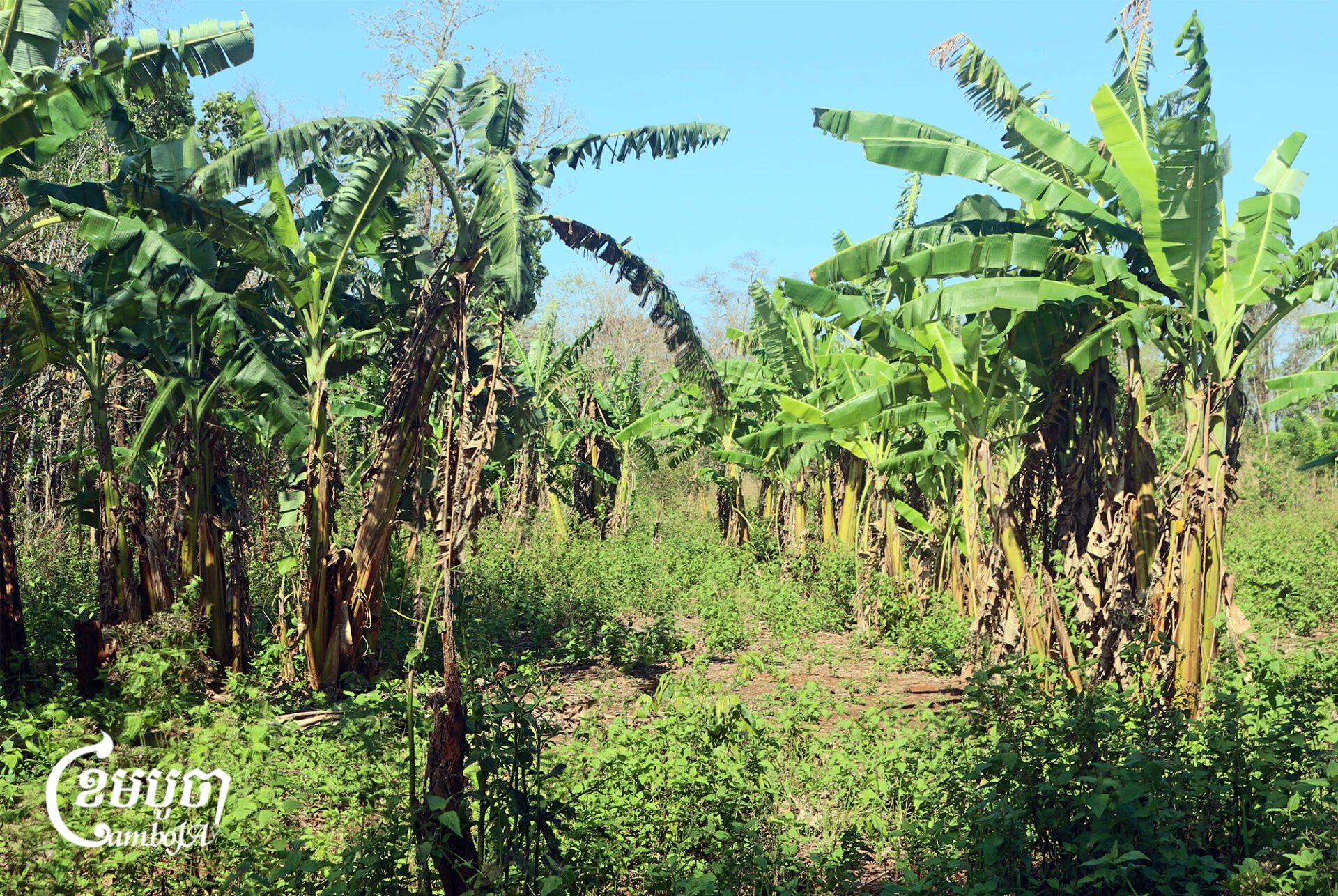
San Leb, another Bunong resident, said her rotational banana farm has also been incorporated into a planned 150-megawatt (MW) wind farm, one component of a wider 900-MW wind energy initiative slated for the province.
Some of the land being cleared around the village – home to more than 40 Bunong families – has been passed down for generations, residents say. But it was never formally titled, despite a long-pending application.
“We risk losing our land, and when we lose our land, it means losing our traditions and culture,” Phyrom said.
Communities living near the provincial capital, Sen Monorom, say they have received little detailed information about six planned wind energy projects in the province since they were approved by the National Assembly in May last year.
The rollout of more than a hundred turbines marks Cambodia’s entry into wind power, part of a broader push to meet rising energy demand and expand renewable sources.
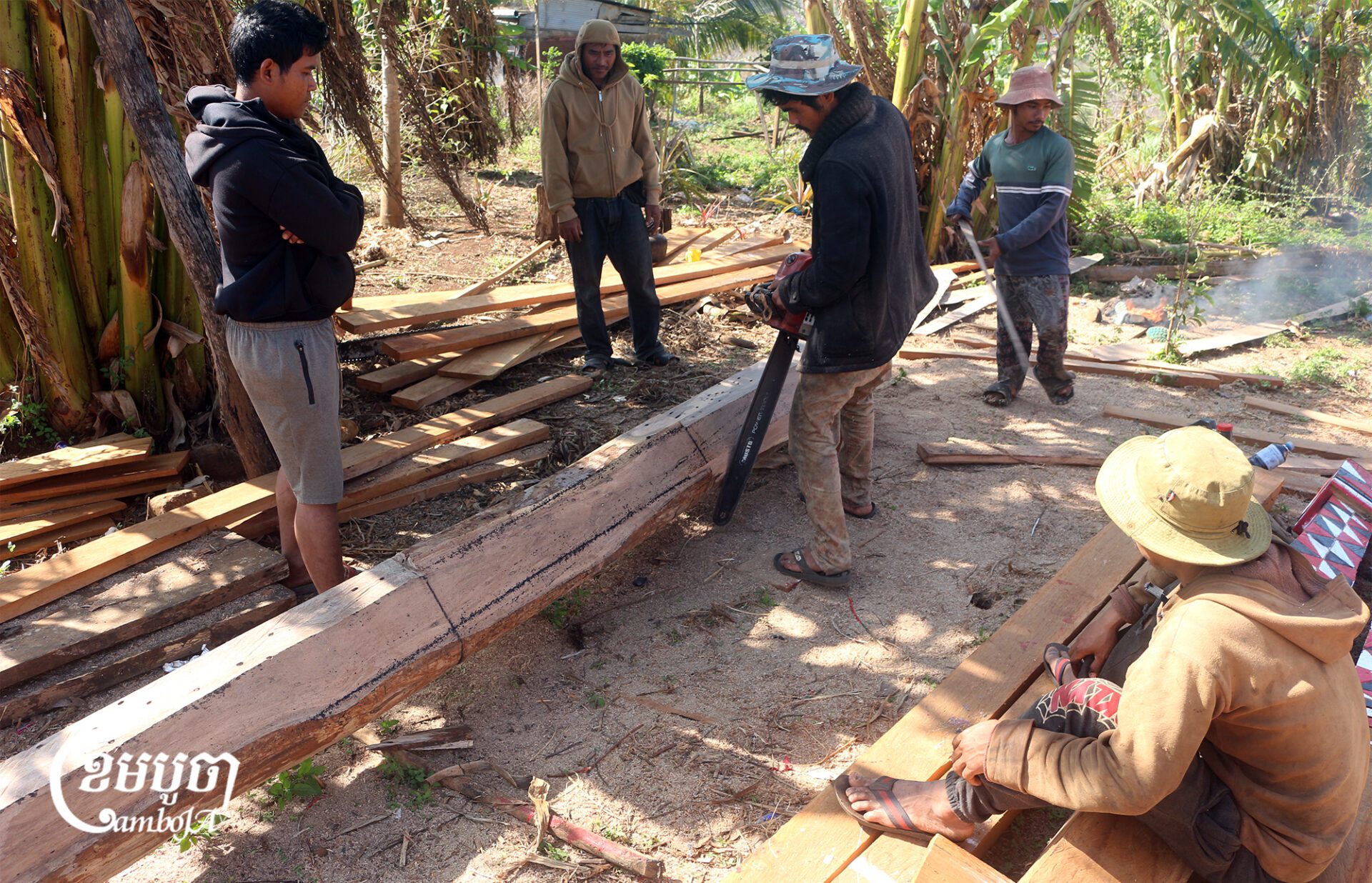
Authorities say environmental and social impact assessments have been conducted for at least three foreign firms now clearing access roads and laying turbine foundations. Construction is expected to be completed by next year.
But key details about the project’s footprint remain unclear. Residents say they do not know how the development will affect access to farmland or culturally significant sites such as burial grounds.
Conservation groups say the project must ensure meaningful consultation, respect Indigenous rights, and safeguard livelihoods, culture and biodiversity.
Powering the Grid, Shadowed by Past Displacement
In January and February, Chinese workers surveyed land near Laoka, Phyrom said, but did not identify their employer.
When reporters visited the village in March, excavators bearing the name of Chinese state-owned engineering giant PowerChina were clearing an access road nearby.
PowerChina is involved in infrastructure and energy projects worldwide, often linked to China’s Belt and Road Initiative. A company employee overseeing excavation, who identified himself as a local consultant but declined to give his name, said PowerChina is developing the wind project under a broader cooperation agreement.
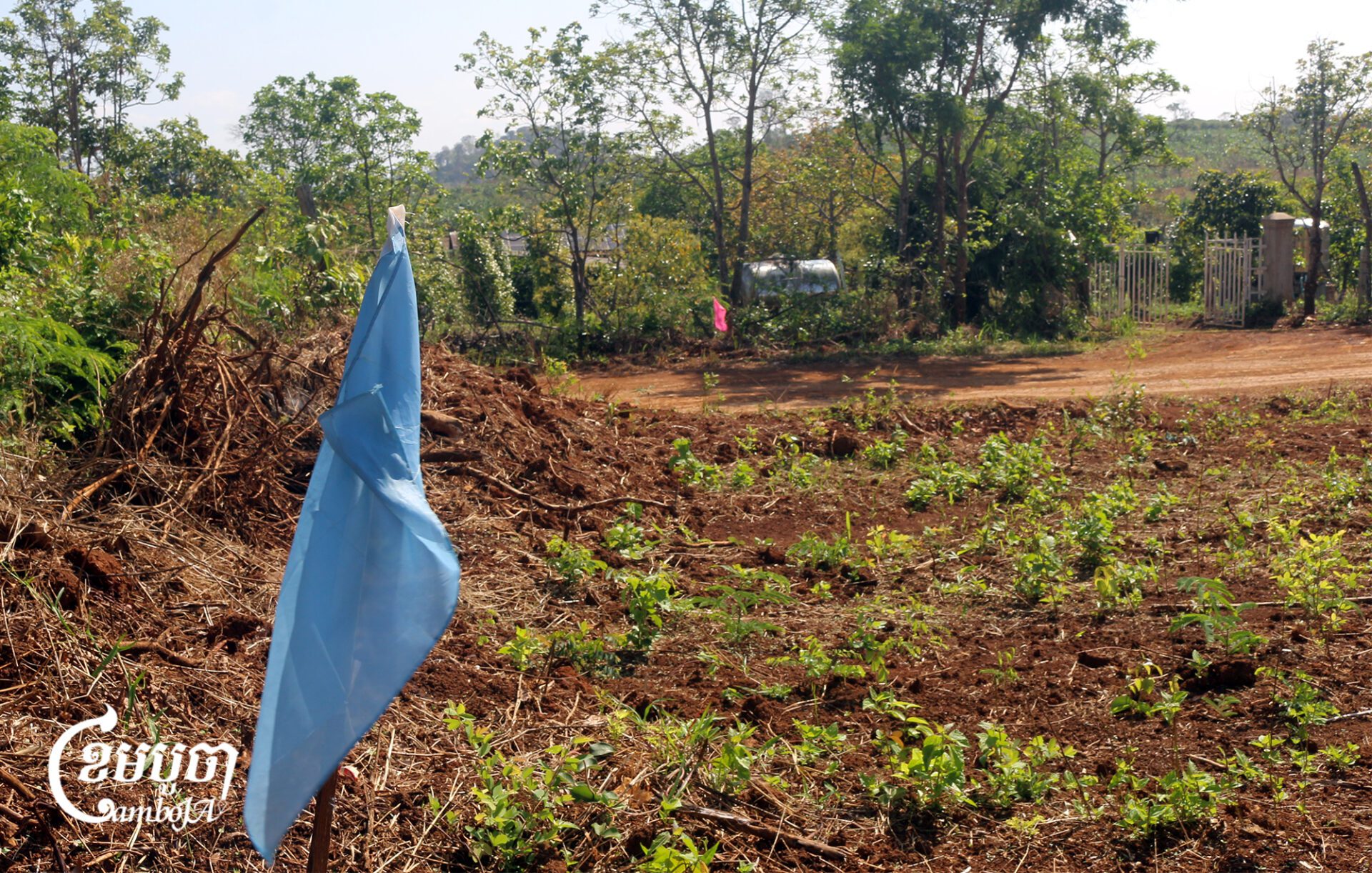
Signs posted in Chinese at worker quarters about a kilometer from the village indicate a partnership with another state-owned firm, China Huadian Corporation.
One sign observed by CamboJA News states that China Huadian has been “deeply involved in Cambodia’s energy sector for 15 years.” It cites projects including the Lower Sesan 2 hydropower dam in Stung Treng province and a 700-MW coal-fired power plant in Sihanoukville. The company’s role in Lower Sesan 2 has not previously been widely detailed. At the time of its construction, another major Chinese enterprise, China Huaneng, was reported to hold the largest stake.
The Lower Sesan 2 dam, completed in 2018, displaced hundreds of riverine households and disrupted livelihoods. Human Rights Watch has described it as a human rights “disaster,” while conservationists have linked it to a decline of more than 9% in Mekong River fish stocks.
PowerChina is also a technical partner in a planned 376-MW hydropower dam on a Mekong tributary. The project is expected to displace thousands of families in Mondulkiri and neighboring Ratanakiri province. Affected communities have said they were pressured to accept inadequate compensation.
The track record underscores potential risks for communities near the proposed wind farm sites, with some residents saying they fear losing access to generational land.
Provincial authorities confirmed that six foreign firms were initially approved to develop in the province. These include Indochina Wind Power, Beijing Fengguang, Leader Wind Energy, HK Oasis Power Energy, SchneiTec Co. and Kouprey Windfarm. The PowerChina-China Huadian project also involves Indochina Wind Power as a partner.
One firm has since had its license revoked, according to Mondulkiri provincial administrator Neang Vannak, who did not disclose which company or provide further details.
The flagship development, expected to install hundreds of turbines across the province’s foothills, is central to government plans to increase the share of renewable energy in installed electricity generation capacity to 70% by 2030, up from a reported 63% today.
“Cambodia is endowed with significant solar and hydro resources, and these can be combined to provide the bulk of Cambodia’s power,” said Out Sokphalkun, Energy Policy Manager at EnergyLab, a Phnom Penh-based organization focused on capacity building for a renewable energy transition in the region.
“However, Cambodia also has a strategic wind resource, which can be used to fill in the gaps when the sun isn’t shining,” she said.
Cambodia’s wind potential is estimated at 6 gigawatts (GW). This is significantly lower than its solar capacity of 44-GW. Energy experts say the two sources are complementary and could help stabilize supply if technical capacity is expanded.
While the energy benefits have been widely promoted, communities in the project areas say they were blindsided by development they support in principle but want to see paired with clearer consultation and tangible local benefits.
Limited Consultation Fuels Uncertainty
Residents in Laoka village and nearby Dak Dam commune rely heavily on surrounding forests for their livelihoods. They practice rotational farming, growing cassava, coffee, bananas and cashew. Community members say nearby “spirit forests” are also used to honor ancestors.
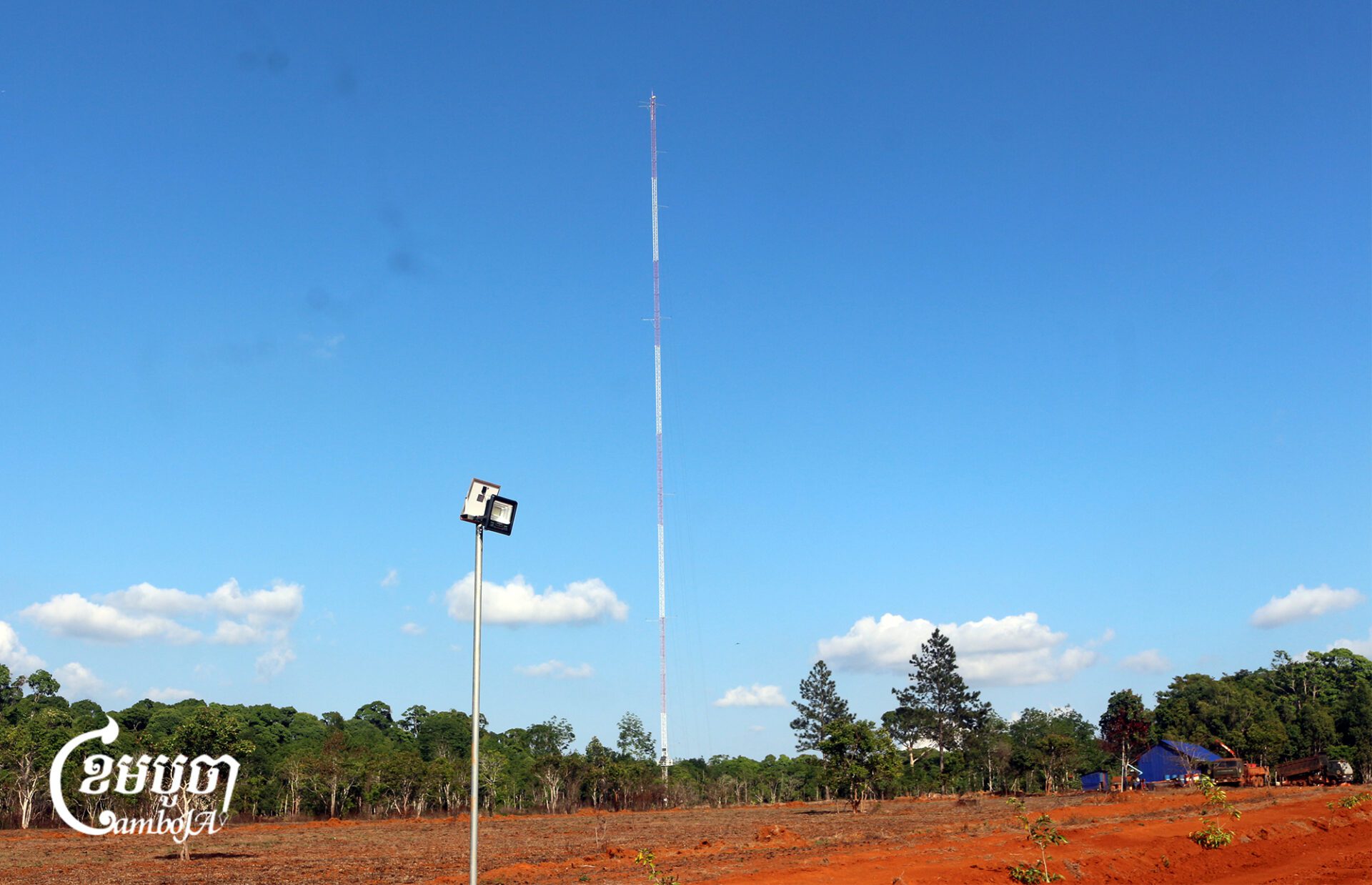
Krau Chhvea, a 23-year-old Bunong woman from Pou Les village in Dak Dam, said Beijing Fengguang installed a wind-measuring mast on her one-hectare cassava farm in June 2025 without prior consultation or clear information about the project.
She later agreed to lease the land for 18 months for $500 but said the structure has since prevented her from cultivating the plot.
“If I plant cassava, one hectare can earn nearly $1,000 per year depending on the price. But when the land is used for the mast like this, I receive only $500,” Chhvea said.
Him Odum, director of BS41 Green Energy Investment, a subsidiary of Beijing Fengguang spearheading the project, disputed her account, saying the company had consulted residents and completed environmental and social impact assessments.
“We have met with residents. We use land to install poles. We do not need as much land as hydropower dam construction,” he said.
Odum said construction of about 30 turbines in Dak Dam commune is expected to begin in early 2027 and finish in 2029, but did not specify how much land would be used or whether it would overlap with rotational farms.
Chhvea also worries limited local employment opportunities will not come with the project.
There are no official figures on total investment across the six projects. A local media report estimated that one of the 150-MW projects – licensed to an unnamed Malaysian company – will cost around $200 million and create about 42 jobs.
“As new farms are built, it is vital that companies prioritise hiring locally, giving Cambodians real experience instead of relying solely on foreign experts,” said Sokphalkun.
Tob Sreynich, a resident of Putraeng village in Dak Dam commune, raised similar concerns about limited disclosure.
“From what I’ve heard, the total land area planned for the project is 6,000 hectares,” she said.
Provincial administrator Vannak said the footprint is far less than 6,000 hectares and each company will require between 100-200 hectares. CamboJA News could not independently verify the full footprint of all six projects.
Documents from the Ministry of Environment obtained by CamboJA News show that Kouprey Windfarm, a project company set up by Singapore-based firm The Blue Circle, plans to develop 24 turbines across more than 50 hectares (126 acres).
Some turbines are expected to be located within Phnom Prich Wildlife Sanctuary and Keo Seima Wildlife Sanctuary, both in Chrei commune.
The documents also indicate that nearly 24 hectares of the project area overlap with the Laoka community-protected forest, which was reportedly registered in 2014.
A sign near Laoka village states that PowerChina’s 24 turbines will span nearly 64 kilometers (38.5 miles) and are scheduled for completion by June 30, 2027.
While Laoka and Dak Dam residents say they know little about the projects’ pathways or impact, at least one community representative, such as Ke Ngev from Laoka, have met with authorities in Phnom Penh to discuss the project as recently as March 11.
But even he said he does not know the detailed results of the impact assessments or if buffer zones will be implemented.
“This development affects some areas, but the company promised to help with a school and roads, and further decisions will depend on the government,” he said.
Impact Studies and Biodiversity Safeguards
When reached in March, directors of Mondulkiri’s environmental and land departments, Has Vibol and Lim Chansophy, said legally required environmental and social impact assessments had been completed for three firms – which they did not name – now building access roads and clearing land.
Asked whether the studies could be shared, both said they would need approval from national authorities. They did not confirm whether disclosure would be permitted by time of publication.
Vibol acknowledged that the projects could affect Indigenous communities, protected areas and farmland, but said the government’s priority is to secure domestic electricity supply. Authorities and companies have offered compensation, though some residents “remain dissatisfied,” he said.
Concerns have also been raised about potential impacts on biodiversity.
The Wildlife Conservation Society (WCS) has previously said that one of the projects overlaps with a conservation zone in Keo Seima Wildlife Sanctuary, which is home to endangered migratory bird species.
“WCS supports renewable energy projects that advance Cambodia’s sustainability goals, provided they meet rigorous standards for biodiversity protection and respect the rights of local and Indigenous communities,” a spokesperson said in an email. The group added that its role in the unnamed project is limited to “independent scientific guidance” and that it is not involved in approval or implementation.
It also outlined measures to reduce risks to wildlife, including ultrasonic deterrents for bats, painting turbine blades with high-visibility colors, and temporary shutdowns during migration periods. WCS said that, based on its assessments, risks to priority bird species appear limited where turbines are properly sited and recommended safeguards are implemented.
Land Titling Gaps Leave Indigenous Communities Exposed
As wind power development pushes ahead, the absence of formal collective land titles for Indigenous groups in Moundilkiri remains a central source of tension.
Phyrom and other members in her community say they have spent years trying to secure legal recognition of their land while fending off encroachment from private companies on areas they say have been passed down for generations.
Mondulkiri’s land department director Sophy said only eight of the province’s 27 Indigenous communities have completed collective land registration.
The process is complex and often stalls, according to Indigenous rights groups.
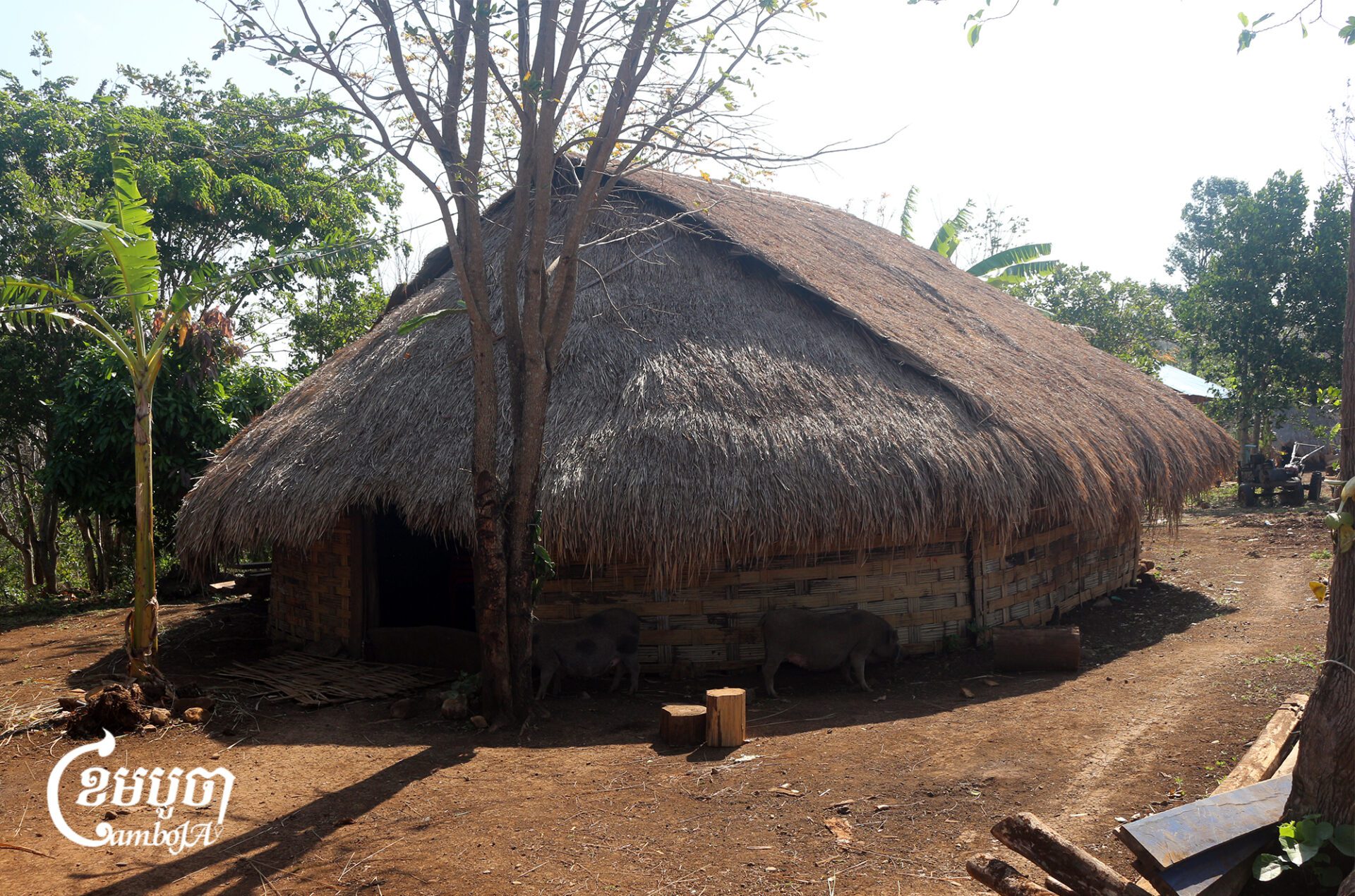
Nan Sokhon, a project officer at the Cambodia Indigenous Peoples Organization (CIPO), said Bunong residents in Laoka village most recently applied for collective land registration in 2023 and are currently in the identification stage with the Ministry of Rural Development.
The process will then move to the Ministry of Interior for recognition as a legal Indigenous community, before being submitted to the Ministry of Land Management for collective land registration.
The Cambodian Center for Human Rights said the government has fallen “far below” its 2017 target of granting collective land titles to 10 Indigenous communities each year. In a statement marking the International Day of the World’s Indigenous Peoples in 2024, it said only 43 of 458 Indigenous communities had received titles between 2011 and 2024.
A representative from PowerChina, who did not provide his name, said compensation would only be provided where residents can present official documents proving land ownership.
CamboJA News attempted to contact China Huadian and all six companies with project licenses using contact details listed in business registry records and company websites. Most did not respond. Responses from PowerChina came from speaking with employees at an excavation site.
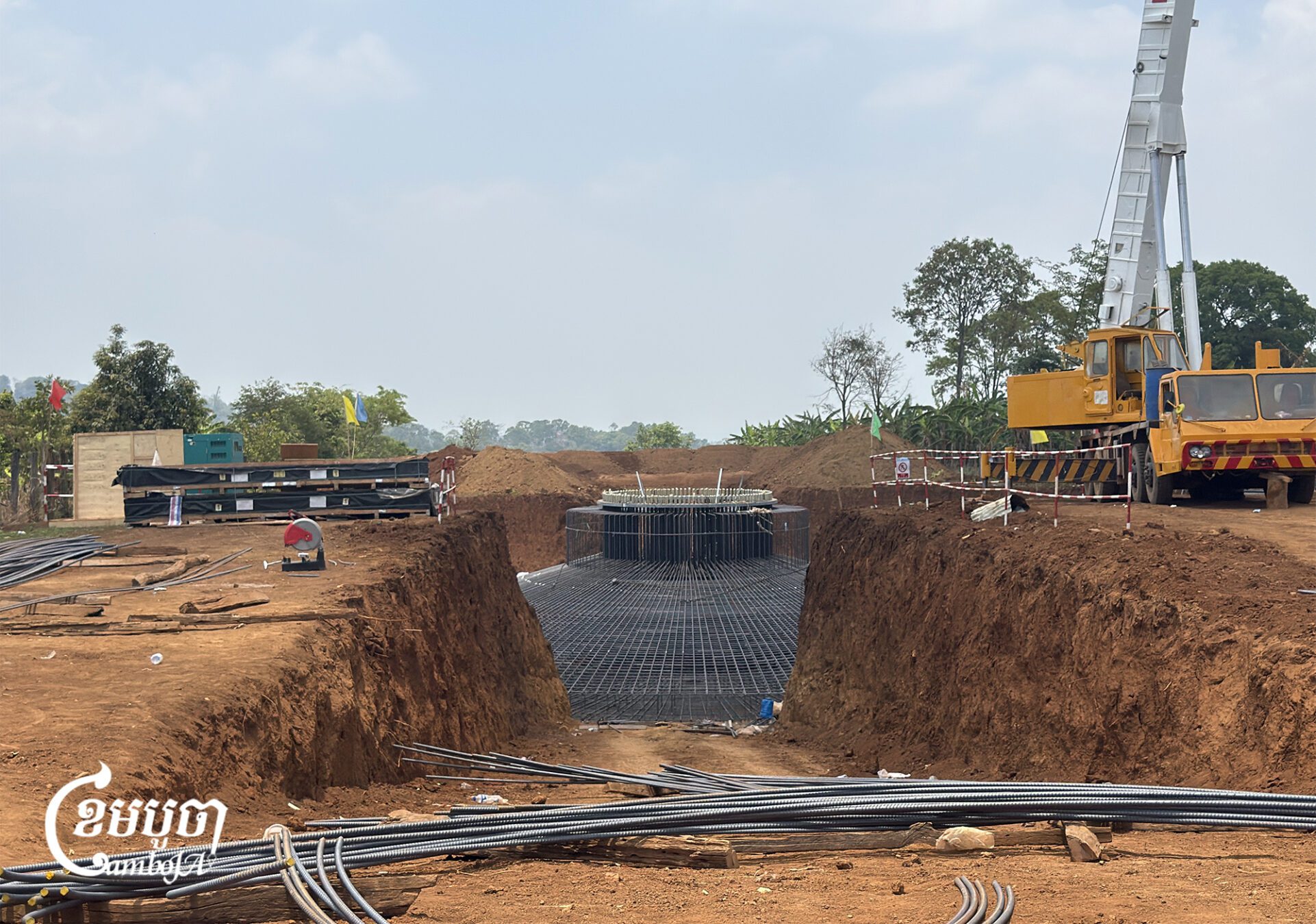
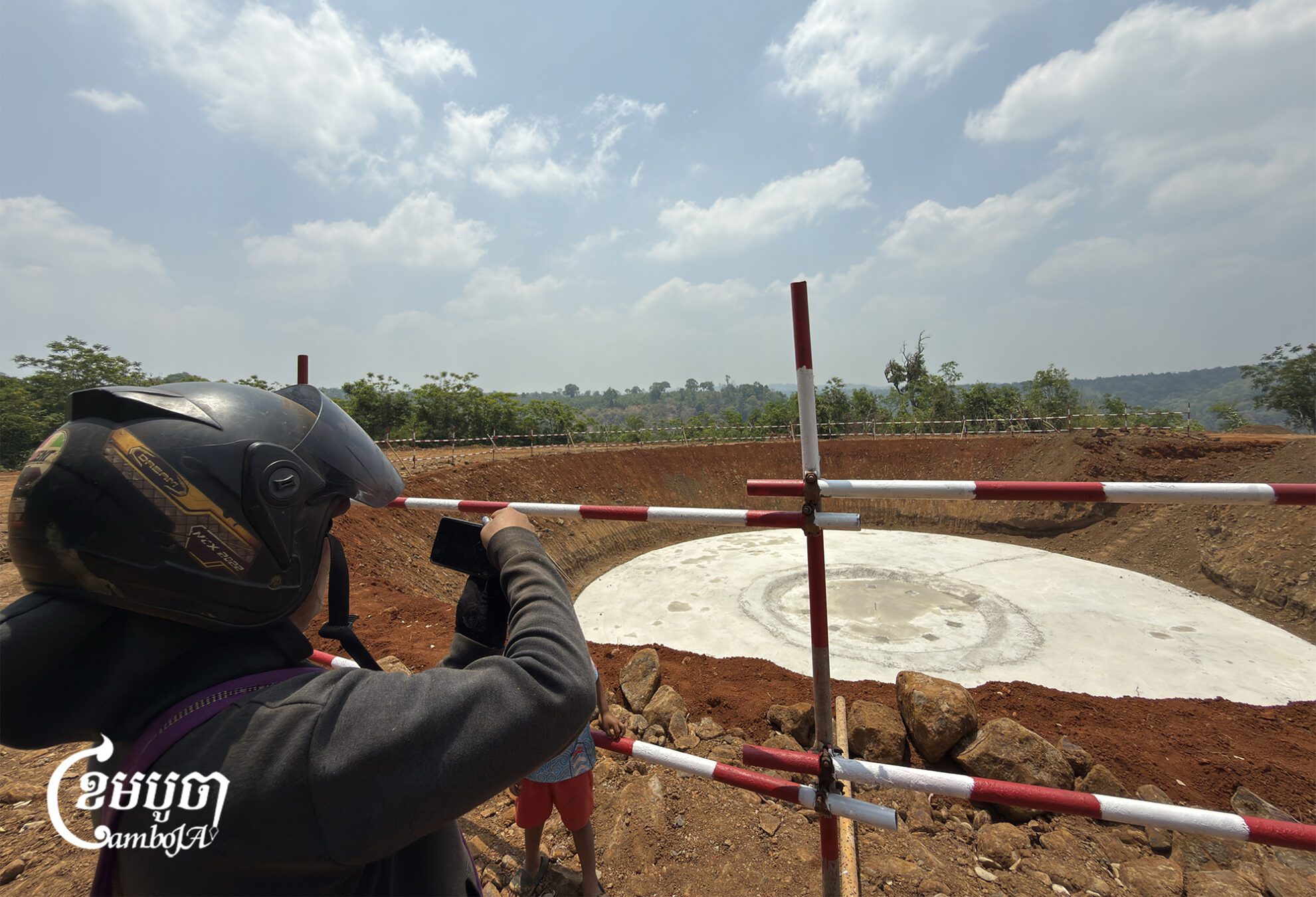
With turbine foundations already being poured, it remains unclear whether affected communities will secure legal recognition of generational land before development reshapes it.